

Introduction
- Explain why pricing has become increasingly difficult for tobacco retailers due to rising wholesale costs, inflation, state excise taxes, manufacturer promotions, and changing consumer behavior.
- Introduce scan data as a powerful source of real-time sales intelligence rather than just a compliance requirement.
- Mention that retailers can use scan data to improve pricing decisions while protecting margins and maintaining competitive pricing.
Why Pricing Tobacco Products Is More Complex Than Ever
- Thin Profit Margins
- Frequent Manufacturer Price Changes
- State and Local Excise Tax Updates
- Competition From Nearby Retailers
- Price-Sensitive Customer Behavior
- Inventory Carrying Costs
- Compliance-Related Pricing Considerations
How Scan Data Supports Better Pricing Decisions
- Identify Best-Selling Products
- Detect Slow-Moving Inventory
- Understand Customer Buying Patterns
- Measure Price Elasticity
- Compare Manufacturer Promotions vs Store Discounts
Types of Pricing Strategies Powered by Scan Data
- Demand-Based Pricing
- Competitive Pricing
- Inventory-Based Pricing
- Promotional Pricing
- Regional Pricing
Key Scan Data Metrics Retailers Should Monitor
| Metric | Why It Matters |
| Units Sold | |
| Sales Revenue | |
| Gross Margin | |
| Sell-Through Rate | |
| Inventory Turnover | |
| Average Selling Price | |
| Promotion Redemption Rate | |
| Basket Size | |
| Repeat Purchase Rate | |
| Product Velocity |
Technology That Makes Dynamic Pricing Easier
- POS System Integration
- Scan Data Reporting
- Pricing Analytics Dashboard
- Automated Reporting
Common Pricing Mistakes Tobacco Retailers Make
- Setting Prices Based Only on Competitors
- Ignoring Manufacturer Price Updates
- Using the Same Markup Across Every Product
- Running Promotions Without Measuring Results
- Failing to Review Pricing Regularly
Conclusion
- Recap how tobacco pricing has evolved from intuition-based decisions to data-driven optimization.
- Reinforce that scan data provides continuous visibility into demand, pricing performance, promotions, and inventory movement.
- Emphasize that retailers using scan data strategically can improve margins, respond more quickly to market changes, and make pricing decisions with greater confidence
Keywords
| Keyword | Intent | Vol | KD |
| tobacco scan data loyalty programs | I | 70 | 0 |
| tobacco scan data | I | 40 | 0 |
| tobacco scan data incentive program | I | 30 | 0 |
| scan data tobacco | I | 20 | 0 |
| tobacco rebates scan data | I | 20 | 0 |
Pricing Optimization: How Tobacco Retailers Use Scan Data for Dynamic Pricing Strategy
Why Pricing Tobacco Products Is More Complex Than Ever
Tobacco pricing decisions are more complicated compared to other retail businesses due to the following aspects associated with product cost:
Thin Profit Margins
Retail tobacco products have quite a narrow profit margin. Misaligned prices or mid-volume stock keeping units (SKUs) can affect profit without visible warning.
Frequent Manufacturer Price Changes
Manufacturers like Altria and RJ Reynolds update promotional pricing, buydowns, and multi-pack rates regularly. Missing an update means selling at the wrong price and missing manufacturer-funded revenue.
State and Local Excise Tax Updates
Taxes on tobacco vary by state and legislation. Each tax adjustment requires changes in prices. This process can be missed without automated pricing tools.
Competition From Nearby Retailers
Convenience stores (c-stores), gas stations, and grocery chains sell the same products, and prices slightly out of line lose you customers to the competitors.
Price-Sensitive Customer Behavior
Tobacco consumers are among the most price-aware shoppers. Even small per-unit price differences on a brand affect the purchase, and they switch the store.
Inventory Carrying Costs
Overstocked tobacco inventory ties up capital. Slow-moving SKUs carry cost, while making demand-based pricing keeps the inventory turnover healthy.
Compliance-Related Pricing Considerations
Certain tobacco scan data incentive programs require specific pricing to qualify for manufacturer rebates. Non-compliance with pricing disqualifies transactions.
How Scan Data Supports Better Pricing Decisions
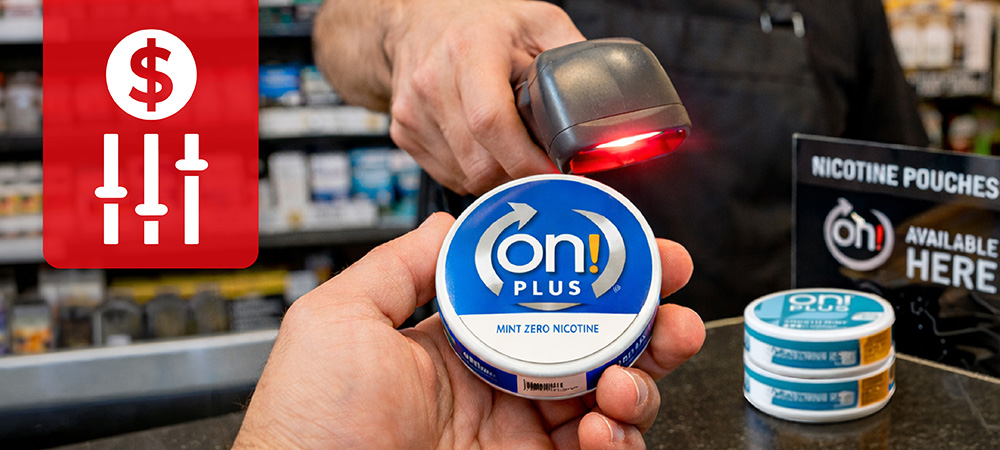
Tobacco scan data turns every transaction into a pricing signal, giving retailers real-time visibility to determine prices accurately.
Identify Best-Selling Products
Scan data tobacco reporting shows which SKUs drive the most revenue, allowing retailers to protect margins on high-demand products.
Detect Slow-Moving Inventory
Tobacco scan data flags products with low sales before they become a problem, giving retailers data to adjust pricing or run manufacturer-funded promotions proactively.
Understand Customer Buying Patterns
Transaction data from tobacco scan data loyalty programs reveal when, what, and how customers purchase, allowing for promotional timing and pricing decisions.
Measure Price Elasticity
Comparing sales volume before and after a price change on an SKU shows how sensitive the product demand is to price movement, enabling better price adjustment.
Compare Manufacturer Promotions vs Store Discounts
Tobacco rebates scan data informs retailers to compare the revenue of manufacturer-funded promotions against store discounts, showing which promotion delivers a better margin.
Types of Pricing Strategies Powered by Scan Data
Tobacco scan data supports unique pricing strategies based on real transaction intelligence rather than guesswork.
Demand-Based Pricing
Scan data tobacco volume trends allow you to set prices of high-demand SKUs at full margin and adjust rates of low-demand products to move the stock.
Competitive Pricing
Tobacco scan data loyalty programs capture the frequently purchased products, helping retailers apply competitive pricing on those SKUs and removing unnecessary discounts across all products.
Inventory-Based Pricing
Retailers with a tobacco scan data incentive program cross-reference selling prices against current stock levels and lower the price of aging products to eliminate carrying cost problems.
Promotional Pricing
Manufacturer-funded buydowns from tobacco rebates scan data programs allow retailers to offer multi-pack discounts competing with larger chains without reducing margins.
Regional Pricing
Tobacco scan data allows multi-location retailers to identify the same SKU’s performance at different price points across different locations, enabling location-specific price determination as per each store’s local competitive environment.
Key Scan Data Metrics Retailers Should Monitor
Tobacco scan data metrics turn raw transaction records into a clear picture of pricing performance across every SKU and category.
| Metric | Why It Matters |
| Units Sold | Shows actual sales and demand per SKU |
| Sales Revenue | Tracks total income generated and flags revenue changes by product |
| Gross Margin | Shows true profitability after the cost of goods on each item |
| Sell-Through Rate | Measures how quickly inventory sells within a set period |
| Inventory Turnover | Indicates how efficiently stock is moving and converted into revenue |
| Average Selling Price | Shows real-time price against intended pricing strategy |
| Promotion Redemption Rate | Shows how many customers act on manufacturer-funded offers |
| Basket Size | Reveals average number of items per transaction across loyalty members |
| Repeat Purchase Rate | Measures how often customers return to buy the same product |
| Product Velocity | Tracks speed at which a SKU moves from shelf to sale |
Technology That Makes Dynamic Pricing Easier
The right technology turns tobacco scan data from a reporting obligation into a live pricing intelligence tool.
POS System Integration
An advanced POS integrates directly with the manufacturer’s scan data application programming interface (API), automatically updating prices with promotions, buydowns, and discounts, enhancing the effectiveness of the tobacco scan data incentive program.
Scan Data Reporting
Automation for the collection and submission of scan data tobacco reports directly to manufacturers on schedule ensures that retailers never miss a submission deadline and never have to worry about disqualification for earning the incentive or facing a downgrade of tier.
Pricing Analytics Dashboard
Pricing Analytics allows retailers to monitor SKU-level sales performance, margin by category, and promotion effectiveness, making it possible to identify a pricing problem or an underperforming tobacco scan data offer.
Automated Reporting
An automated marketing and reporting workflow around tobacco scan data loyalty programs improves marketing by notifying customers when new coupons are available, triggering cross-sells, and submitting activity logs, allowing retailers to maintain tier compliance with minimal manual effort.
Common Pricing Mistakes Tobacco Retailers Make
Tobacco pricing is not simple. The experienced retailers also make mistakes that cost margins.
Here are some common mistakes:
Setting Prices Based Only on Competitors
Trying to match competitive prices without checking your cost might make you sell products below margin. Scan data tobacco reporting shows margins by SKU and not just revenue, which is the number that matters.
Ignoring Manufacturer Price Updates
Manufacturers like Altria and RJ Reynolds regularly update promotional pricing and buydown amounts. Failing to apply automated price book updates from tobacco scan data incentive programs can result in outdated prices, missed promotions, and lost manufacturer-funded reimbursements.
Using the Same Markup Across Every Product
Applying a flat markup percentage across every tobacco SKU ignores the fact that price sensitivity, demand, and competitive pressure vary significantly by brand and format. Tobacco scan data reveals which products can hold a higher margin and which require tighter pricing to stay competitive.
Running Promotions Without Measuring Results
Multi-pack discounts without tracking redemption rate and post-promotion sales volume don’t allow you to track whether the promotion was effective or if it was transferring revenue from full-price transactions.
Failing to Review Pricing Regularly
Tobacco pricing is not a set-and-forget decision. Changing taxes, updates in manufacturer programs, and seasonal demand shifts require regular pricing reviews. This discipline supports tobacco scan data loyalty programs through continuous, automated sales reporting.
Conclusion
Tobacco pricing has now moved from the market’s product price to a data-driven strategy, where tobacco for scan data makes that shift possible. By generating continuous visibility into demand patterns, promotional performance, inventory movement, and margin by SKU, tobacco scan data loyalty programs give retailers the intelligence to price with precision at every level of the business.
Retailers who treat scan data for tobacco as a strategic asset and not just a compliance submission to earn discounts end up improving margins, moving with changing markets, and making accurate pricing decisions in real transaction evidence rather than assumptions.

