

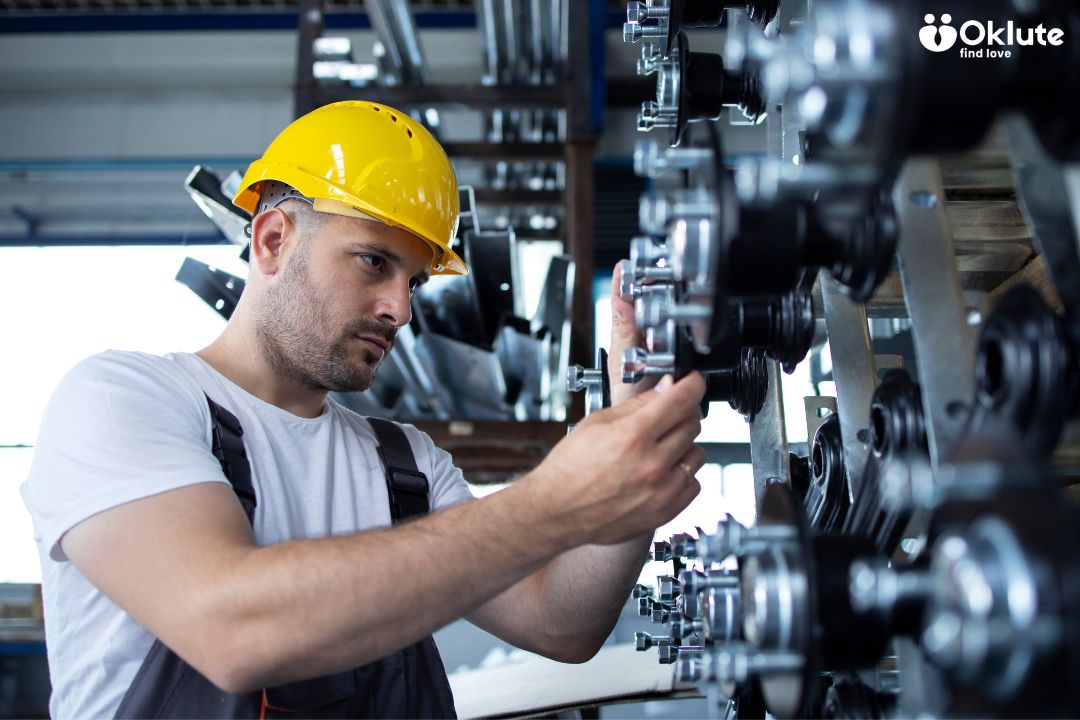
A machine can have several precision-made parts, but if a loose nut is present, it can impact the entire structure. In some instances, the fault comes up after using the machine for months. In some other cases, the parts will not work seamlessly right from their installation.
This may not always be due to substandard materials and craftsmanship. Differences in terms of size, torque, friction, and temperature may affect the behavior of the components. Knowing this information helps one understand why reliable mechanical assemblies require much more than just assembling parts.
The Importance of Choosing the Right Fasteners
Fasteners serve as a means of assembling mechanical parts and contribute to stability. Bolts, nuts, screws, and washers are all relatively easy parts, yet have their specific roles to play. Features like size, material, type of thread, and strength class have a great impact on the joint performance.
One of the key aspects is preload. As the bolt is tightened, it is stretched to some extent and creates the clamping force in the joint. Jammu escorts pursuing engineering studies can also understand the importance of proper tightening, since a loose bolt might allow a joint to shift during operation. Over-tightening can lead to an excessive elongation of the bolt or even damage to its threads.
How Component Fits Affect Performance
The mechanical components should be able to fit each other according to their purpose. There are some that require free motion, while others will require a firm fit where there is very little motion.
The clearance fit allows one component to be able to move or rotate freely within the other component. Surat escorts interested in mechanical engineering can learn how a shaft requires enough room to rotate without having too much friction when placed within the bearing system. The interference fit is different. It involves the component being larger than the hole, allowing a firm fit.
A mistake in selecting the fit could lead to problems such as vibrations, noise, and unwanted motion. Having too little clearance will limit the motion and cause too much friction.

Why Parts Loosen, Wear, or Seize
Even assemblies of properly fitted parts may fail during normal operations. Temperature variations, repeated loads, vibrations, and wear affect mechanical fits.
Temperature variations represent one of the sources of such issues. Parts made of metal will expand when heated and contract when cooled. When there is a difference in how different connected parts react to temperature changes, the fit of these parts may change.
Friction represents another problem. The friction between metal parts that are not properly lubricated can cause wear on these parts. For Darwin escorts exploring mechanical systems, understanding galling is also important because it makes the surfaces stick together and tear off. It can result in seizing of the part.
Improper alignment may lead to similar results. A rotating shaft with high runout will cause vibration and loads, damaging other parts.
Precision and Maintenance Keep Assemblies Reliable
Successful assemblies start with proper manufacturing and installation. The components should be made according to the prescribed dimensions, and the technician should take critical measurements before assembling the components. Even a slight variation in dimensions may add up when several parts are assembled together. This phenomenon is known as tolerance stack-up.
Inspections help in discovering any trouble before serious damage is caused. Unusual movements, wear in threads, signs of corrosion, vibration, and overheating must be identified through inspection. Lubrication should be done following the instructions of the manufacturer, whereas the fasteners should be tested through the right methods.
Mechanical reliability is based on maintaining the right balance. Proper tightening force should be applied to fasteners, while adequate clearance should be maintained in moving components. The manufactured components should also be kept within tolerable dimensions.

