

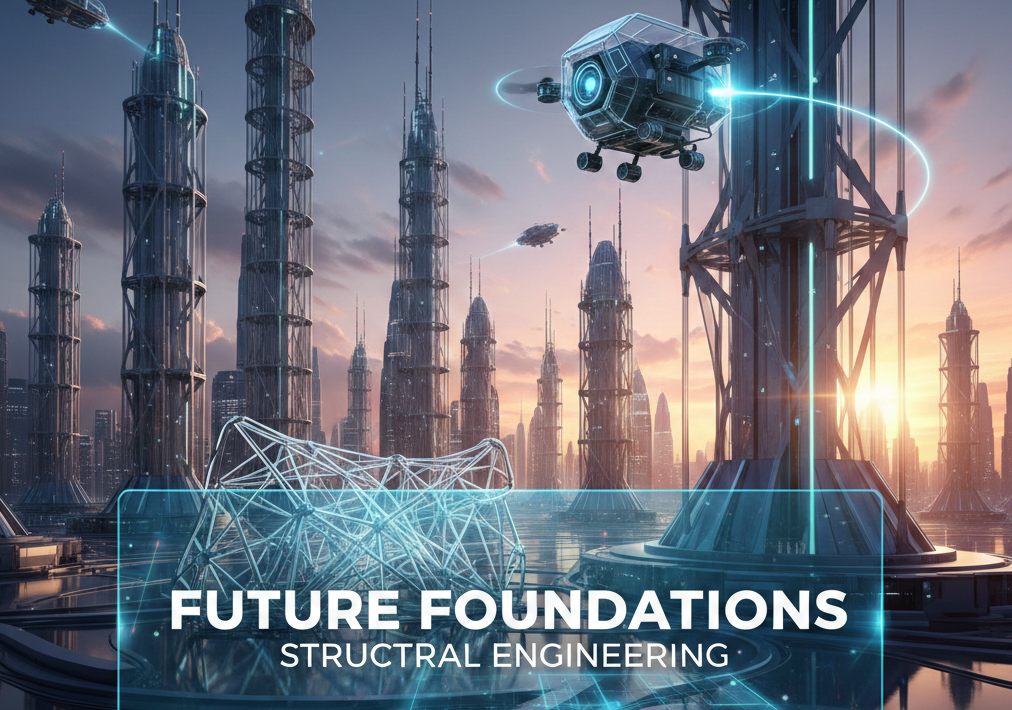
Introduction to Modern Structural Engineering
As we move through 2026, the field of structural engineering is undergoing a radical transformation. The days of static blueprints and manual load calculations are rapidly fading, replaced by dynamic, data-driven ecosystems that prioritize resilience and sustainability. The industry is currently defined by a convergence of artificial intelligence, advanced material science, and the Internet of Things (IoT), creating a built environment that is “alive” with data.
In this shifting landscape, platforms like Structurespy.com have emerged as pivotal tools for modern analysis. By acting as a digital bridge between theoretical engineering principles and real-world applications, these platforms democratize access to complex structural data. Whether you are a seasoned civil engineer or a homeowner concerned about foundation integrity, understanding the “health” of a structure is no longer a guessing game but a precise science.
For general readers, this means the buildings you live and work in are becoming safer and smarter. The gap between abstract engineering theory—how forces like gravity and wind interact with a beam—and the practical safety of your local bridge is being closed by transparent, accessible technology.
Innovations Shaping the 2026 Landscape
The year 2026 is characterized by three major pillars of innovation that are redefining how we conceive and construct our world.
AI-Driven Load Calculations and Predictive Modeling
Artificial Intelligence has moved beyond simple automation to become a co-pilot in design. Engineers now use Generative Design algorithms to test thousands of structural variations in minutes.
- Real-time Adaptation: AI systems can now predict how a structure will settle over decades, accounting for soil erosion and climate change data.
- Optimization: these tools reduce material waste by calculating the exact amount of steel or concrete needed to maintain safety factors, often reducing costs by up to 20%.
Sustainable Living Building Materials
The construction sector is pivoting away from carbon-heavy materials toward “living” alternatives.
- Self-Healing Concrete: Bio-concrete infused with bacteria that produce limestone to fill cracks automatically is becoming a standard in high-end infrastructure.
- Mass Timber: Engineered wood products are allowing for carbon-negative skyscrapers, sequestering CO2 within the structure itself.
Advanced 3D Printing in Large-Scale Infrastructure
3D Construction Printing has scaled up significantly. In 2026, we are seeing the first fully printed highway overpasses and modular housing developments. This technology allows for:
- Complex Geometries: Shapes that were previously impossible or too expensive to cast can now be printed layer by layer.
- Speed: Emergency shelters and essential bridges can be deployed in days rather than months.
Methodology: How Structurespy.com Evaluates Architectural Integrity
Understanding the safety of a building requires a rigorous, multi-layered approach. Structurespy.com utilizes a proprietary four-phase evaluation method that sets a new standard for transparency in structural health.
Phase 1: Automated Data Acquisition via Drone Sensors
The process begins with an aerial sweep. Autonomous drones equipped with LiDAR and thermal imaging cameras scan the exterior of the structure.
- Action: Drones map millions of data points to create a “Digital Twin” of the building.
- Result: Detection of surface cracks, thermal leaks, and facade detachments that are invisible to the naked eye.
Phase 2: Structural Health Monitoring Algorithm Analysis
Once the physical data is collected, it is fed into a Structural Health Monitoring (SHM) system.
- Action: Algorithms compare the current state of the building against its original blueprints and historical degradation models.
- Result: Identification of internal stress points and potential failure zones before they become critical.
Phase 3: Stress Testing in High-Fidelity Virtual Environments
The “Digital Twin” created in Phase 1 is subjected to extreme virtual stressors.
- Action: The digital model is tested against simulated earthquakes, hurricane-force winds, and 100-year flood events.
- Result: A predictive analysis of how the building will perform under worst-case scenarios.
Phase 4: Comprehensive Safety Rating and Report Generation
Finally, the complex data is synthesized into an understandable format.
- Action: Generation of a clear, graded safety rating (e.g., A+ to F) alongside a detailed technical report for engineers.
- Result: Actionable insights for maintenance, enabling targeted repairs rather than costly blanket renovations.
The Impact of Smart Cities on Structural Design
The rise of Smart Cities creates a symbiotic relationship between a city and its structures. In 2026, buildings do not just stand; they communicate.
- IoT Integration for Real-Time Bridge Maintenance: Bridges are now fitted with thousands of IoT sensors that transmit vibration and load data 24/7. If a heavy truck causes abnormal stress on a support pillar, maintenance crews are alerted instantly, preventing catastrophic failures.
- Adaptive Seismic-Resistant Frameworks: In earthquake-prone zones, smart dampers in skyscrapers can adjust their stiffness in real-time during a seismic event, counteracting the sway and reducing structural damage.
- Energy-Efficient Structural Monitoring: Smart structures monitor their own thermal efficiency, automatically adjusting window opacity or ventilation systems to reduce the energy load on the building’s HVAC systems, contributing to a greener urban footprint.
Career and Educational Opportunities in the Field
The evolution of technology has expanded the horizon for aspiring structural engineers. The toolkit for the late 2020s engineer is vastly different from that of the previous decade.
Essential Skills for Engineers in the Late 2020s
- Data Literacy: The ability to interpret complex datasets from SHM systems is as crucial as understanding physics.
- Coding & Scripting: Proficiency in Python or similar languages is essential for customizing AI design tools.
- Sustainability Expertise: Knowledge of Lifecycle Assessment (LCA) to calculate the environmental impact of materials is now a core hiring requirement.
Exploring the Structurespy.com Knowledge Hub
For those looking to enter the field, platforms like Structurespy.com offer a “Knowledge Hub”—a repository of case studies, white papers, and interactive tutorials. It serves as a continuing education resource, helping professionals stay updated on the latest evaluation algorithms and sensor technologies.
The Evolution of Collaborative Global Design Standards
As digital tools standardize how we analyze safety, we are moving toward a unified global building code. Engineers in Tokyo, New York, and Mumbai are increasingly using the same data standards, allowing for seamless international collaboration and the rapid sharing of safety innovations across borders.
In 2026, structural engineering is more than just ensuring a building doesn’t fall down; it is about creating a resilient, intelligent, and sustainable foundation for the future.

